
dejar un mensaje
Si está interesado en nuestros productos y desea conocer más detalles, deje un mensaje aquí, le responderemos lo antes posible.
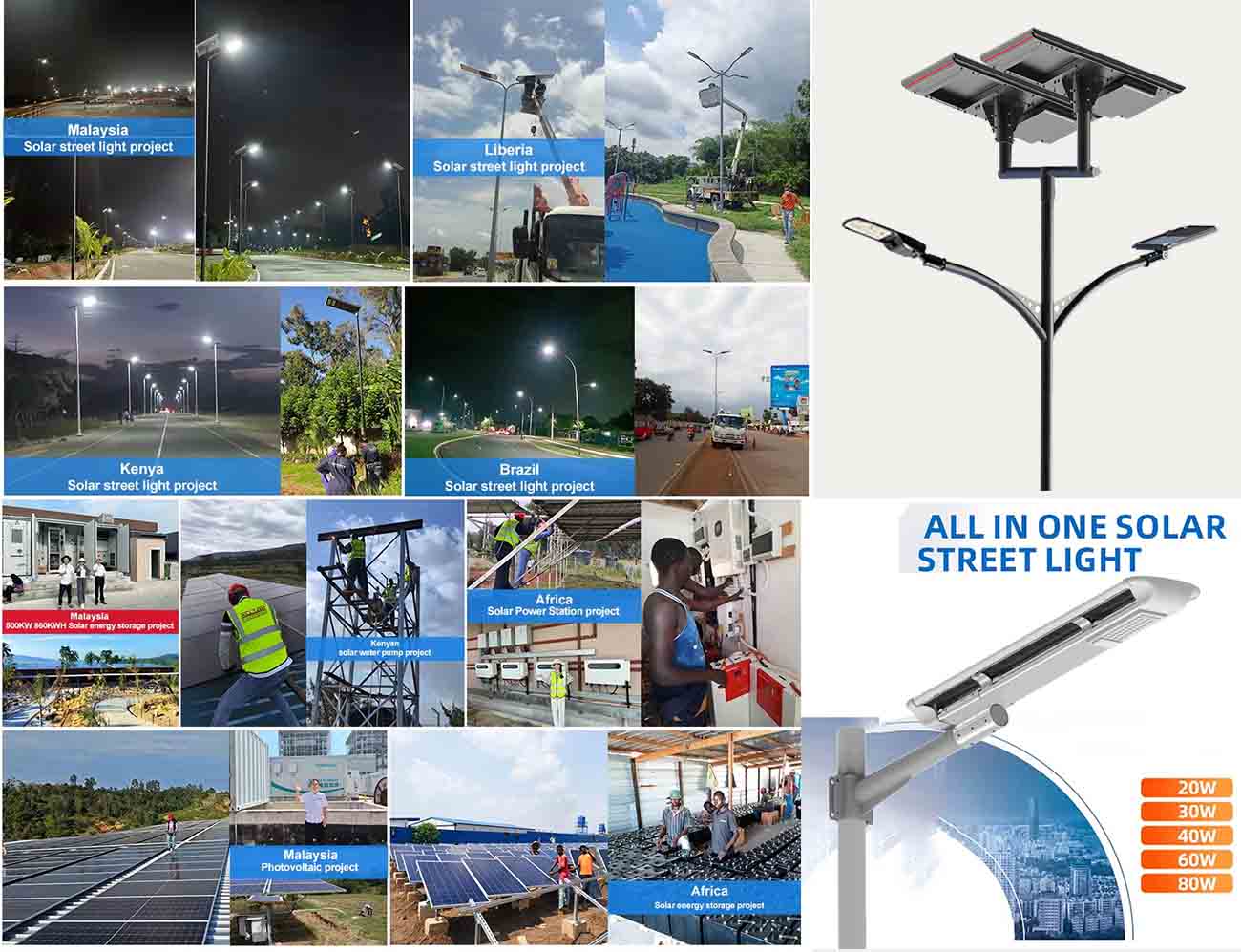
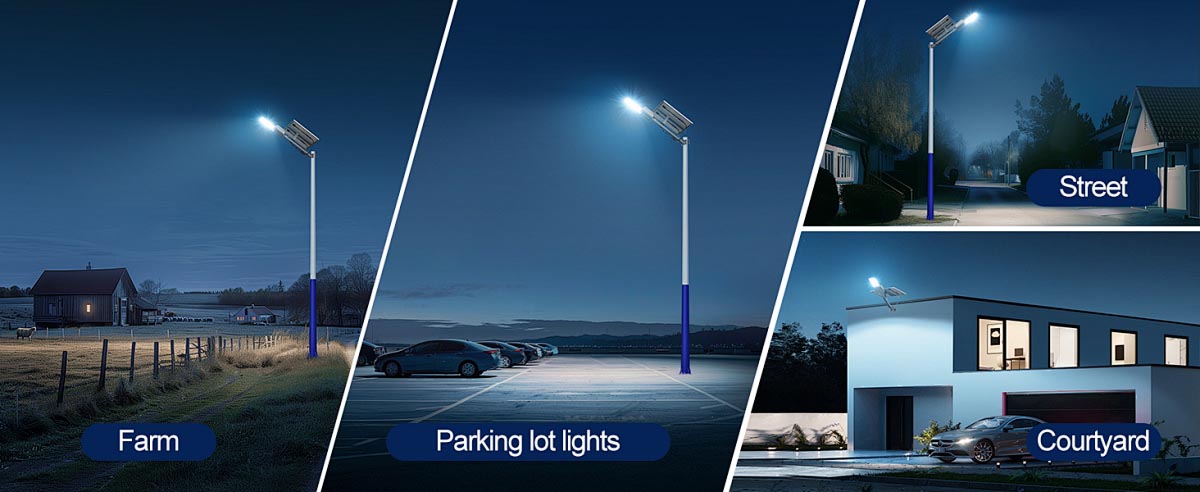
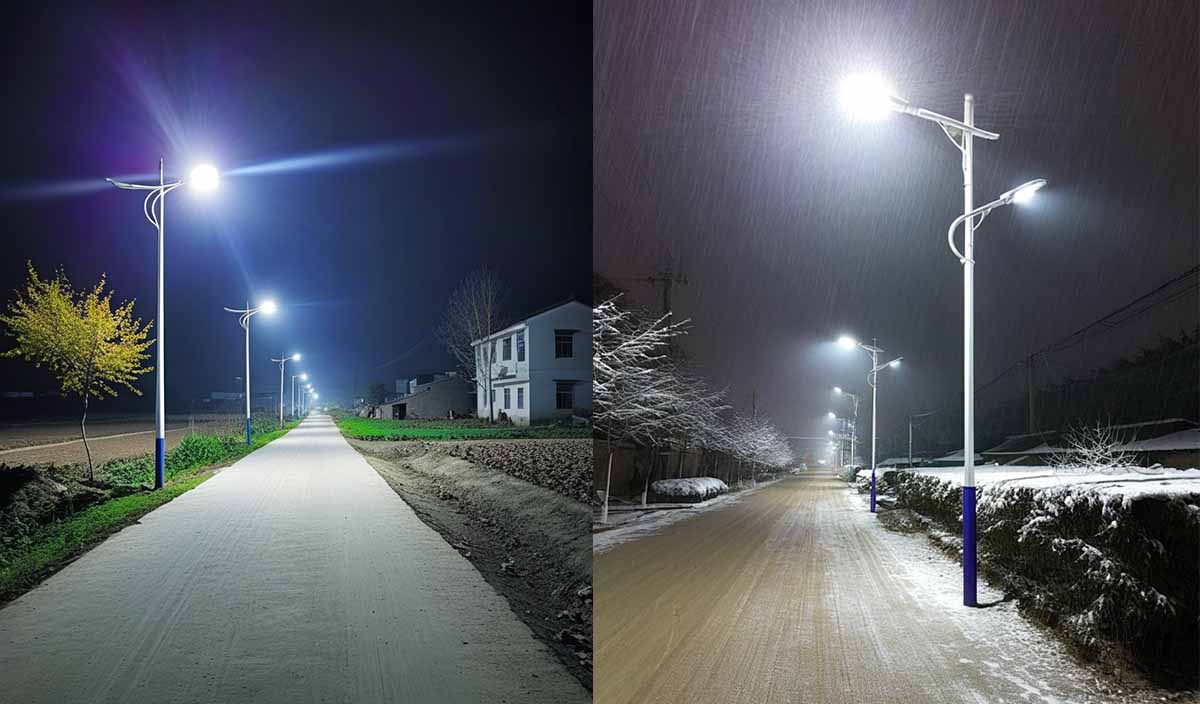
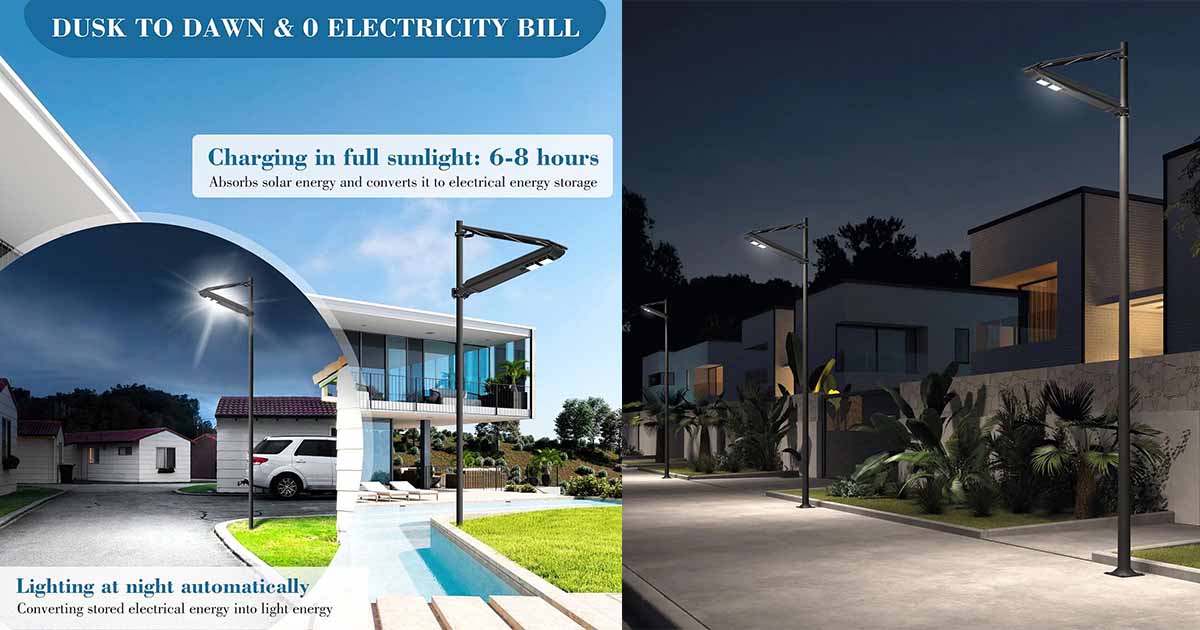
| Factor de evaluación | Todo en uno (integrado) | Todo en dos (Split) |
|---|---|---|
| Brillo y tiempo de funcionamiento (prioridad de autopista) | Limitado por un diseño compacto: el tamaño del panel solar (máximo ~1,2㎡) y la capacidad de la batería (máximo ~100 Ah) restringen la salida a 5000–8000 lúmenes. El tiempo de funcionamiento puede reducirse a 6-8 horas en clima nublado (insuficiente para las necesidades de la carretera las 24 horas del día, los 7 días de la semana). | Sin restricciones de tamaño: paneles solares más grandes (1,5–3㎡) y baterías de alta capacidad (100–200 Ah) brindan entre 8000 y 20 000 lúmenes. Admite de 10 a 14 horas de iluminación continua (incluso con poca luz solar), lo que cumple con los requisitos de “luz nocturna” de las carreteras. |
| Absorción de energía solar | Ángulo de panel fijo (integrado en el dispositivo): difícil de optimizar para la latitud y la temporada. Riesgo de sombras causadas por estructuras o postes cercanos. | Panel solar ajustable: se puede inclinar para que coincida con la latitud local (por ejemplo, 30°–45° para una exposición solar óptima) y montar más alto para evitar sombras. Capta entre un 20 y un 30 % más de energía solar que el sistema todo en uno. |
| Durabilidad y resistencia ambiental | Diseño compacto = mayor carga de viento (riesgo de daños en los postes durante las tormentas). Los componentes están apretados, lo que provoca una mala disipación del calor; la duración de la batería se reduce a altas temperaturas (algo crítico para carreteras en desiertos o regiones tropicales). La vibración del tráfico puede aflojar las conexiones internas. | Diseño dividido = menor resistencia al viento (panel solar montado de forma segura en la parte superior del poste). Los componentes separados permiten una mejor disipación del calor (la batería y el LED no están expuestos a la luz solar directa con el panel), lo que prolonga la vida útil de la batería entre un 30 y un 50 %. El cableado y los soportes más robustos resisten las vibraciones del tráfico. |
| Mantenimiento y reparabilidad | Totalmente integrado: Si falla un componente (p. ej., la batería o el panel solar), se debe reemplazar toda la unidad. El mantenimiento de carreteras requiere la instalación de sistemas de recolección de residuos, lo que implica un alto costo de reemplazo y tiempo de inactividad. | Diseño modular: Reemplace solo los componentes defectuosos (p. ej., batería, LED) sin desmontar todo el sistema. Los paneles solares se pueden inspeccionar y limpiar por separado (fundamental para carreteras polvorientas). Menor costo de mantenimiento y menor tiempo de inactividad. |
| Complejidad de la instalación | Simple: una unidad, sin cableado entre el panel y el artefacto. Instalación más rápida (15 a 20 minutos por poste). | Ligeramente complejo: requiere montar el panel solar, pasar cables y alinear el ángulo del panel. El tiempo de instalación (30 a 40 minutos por poste) es más largo, pero manejable con equipos capacitados. |
| Costo (inicial vs. a largo plazo) | Costo inicial más bajo ($200–$500 por unidad): atractivo para proyectos con presupuesto limitado. Mayor costo a largo plazo: vida útil más corta (3 a 5 años) y reemplazos frecuentes. | Costo inicial más alto ($400–$1,000 por unidad), compensado por una vida útil más larga (5–8 años) y menores costos de mantenimiento/reemplazo. El costo total de propiedad (TCO) es entre un 40 y un 60 % menor en 5 años. |
| Adecuación para carriles de autopista | Sólo es viable para carreteras secundarias, caminos rurales o caminos de acceso a estacionamientos (poco tráfico, necesidades de iluminación moderadas). |





 IPv6 network supported.
dejar un mensaje
Escanear a WeChat :

Escanear a WhatsApp :